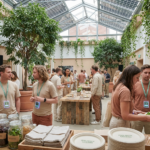
The event doesn’t end when attendees leave. Strategic post-event follow-up transforms one-time participants into an engaged community, generates valuable feedback, and sets the stage for future events. Here’s how to maximize post-event impact.
Immediate Thank You
Send a thank you email within 24 hours while the event is still fresh. Include key takeaways, links to presentations or recordings, and photos from the event. Personalize when possible.
Gather Feedback Quickly
Send surveys within 48 hours when memories are clearest. Keep surveys short (5-10 questions), use a mix of quantitative and qualitative questions, and incentivize completion with prize drawings or early-bird discounts for future events.
Share Content and Resources
Create a resource hub with presentation slides, speaker handouts, session recordings, and additional reading materials. Make this easily accessible and shareable.
Facilitate Continued Networking
Create a LinkedIn group, Slack channel, or online community where attendees can continue conversations. Share attendee contact information (with permission) or use networking platforms that extend beyond the event.
Showcase Event Highlights
Create and share a highlight video, photo gallery, or blog post recapping the event. Tag speakers and attendees on social media. This content serves as marketing for future events.
Analyze and Report
Compile attendance data, engagement metrics, survey results, and financial performance. Share insights with stakeholders and use data to improve future events.
Maintain Momentum
Don’t let the community go cold. Send periodic updates, share relevant content, announce future events early, and create opportunities for ongoing engagement between events.
Personal Outreach
Reach out personally to VIP attendees, speakers, sponsors, and highly engaged participants. These relationships are valuable beyond a single event.
Post-event follow-up is where good events become great communities. Invest time in nurturing these relationships, and you’ll build a loyal audience that eagerly anticipates your next event.
Accessible events aren’t just legally required—they’re better events for everyone. When you design for accessibility, you create more inclusive, thoughtful experiences that benefit all attendees. Here’s your comprehensive accessibility guide.
Physical Accessibility
Choose venues with wheelchair access, accessible restrooms, and elevators. Ensure pathways are wide enough for mobility devices, and provide accessible seating options in all areas including stages and dining spaces.
Visual Accessibility
Provide materials in large print and digital formats compatible with screen readers. Use high-contrast colors in signage and presentations. Offer audio descriptions for visual content and ensure adequate lighting throughout the venue.
Hearing Accessibility
Provide live captioning or CART services for all presentations. Offer sign language interpreters when requested. Use hearing loop systems or FM systems for attendees with hearing aids. Minimize background noise in networking areas.
Cognitive Accessibility
Create clear, simple signage with icons and symbols. Provide quiet spaces for attendees who need sensory breaks. Share detailed schedules and venue maps in advance. Use plain language in all communications.
Dietary Accommodations
Collect dietary requirements during registration and take them seriously. Clearly label all food with ingredients and allergens. Provide diverse options including vegetarian, vegan, gluten-free, and allergen-free choices.
Digital Accessibility
Ensure your event website and registration platform meet WCAG 2.1 AA standards. Make virtual event platforms keyboard-navigable and screen-reader compatible. Provide captions for all video content.
Communication and Support
Clearly communicate accessibility features in event marketing. Provide a contact person for accessibility requests. Train staff on accessibility awareness and how to assist attendees with various needs.
Budget for Accessibility
Include accessibility in your initial budget rather than treating it as an optional add-on. Many accommodations are low-cost or free when planned from the start.
Accessibility benefits everyone. Captions help people in noisy environments, ramps assist people with luggage, and clear signage helps everyone navigate. When you design for the margins, you improve the experience for all.
Leave A Comment
Corporate events often suffer from low engagement and eye-rolling attendance. But when done right, they build culture, boost morale, and strengthen teams. Here are corporate event ideas that employees actually want to attend.
Skills-Based Workshops
Move beyond generic team building. Offer workshops teaching valuable skills like photography, cooking, coding, public speaking, or financial planning. Employees appreciate events that invest in their personal growth.
Wellness Challenges
Organize month-long wellness challenges with team competitions, fitness classes, meditation sessions, and healthy cooking demonstrations. Make wellness fun and social rather than preachy.
Innovation Hackathons
Give employees time to work on passion projects or solve company challenges in a hackathon format. Provide resources, mentorship, and prizes for the best ideas.
Volunteer Days
Partner with local charities for volunteer events. Team members bond while making a positive community impact, and it aligns with many employees’ values.
Reverse Mentoring Sessions
Create events where junior employees mentor senior leaders on topics like social media, new technologies, or generational perspectives. It breaks down hierarchies and facilitates knowledge sharing.
Cultural Celebrations
Celebrate diverse holidays and cultural events with food, presentations, and activities. This fosters inclusion and educates employees about different backgrounds.
Lunch and Learn Series
Regular informal sessions where employees or external speakers share expertise on various topics. Keep them optional, provide good food, and choose genuinely interesting subjects.
Off-Site Adventures
Escape the office with activities like escape rooms, cooking classes, sports tournaments, or outdoor adventures. Novel environments encourage different types of interactions.
The best corporate events respect employees’ time, offer genuine value, and create opportunities for authentic connection. Skip the forced fun and focus on experiences people actually enjoy.
Leave A Comment
Modern event planning requires a robust technology stack. The right tools streamline workflows, enhance attendee experiences, and provide valuable data. Here’s a breakdown of essential event technology categories.
Event Management Platforms
Comprehensive platforms like Eventbrite, Cvent, or Bizzabo handle registration, ticketing, email marketing, and basic event websites. They’re the foundation of your tech stack.
Mobile Event Apps
Dedicated event apps provide schedules, networking tools, live polling, and push notifications. Popular options include Whova, EventMobi, and Attendify.
Virtual and Hybrid Event Platforms
For online or hybrid events, platforms like Hopin, Zoom Events, or Microsoft Teams provide streaming, breakout rooms, and virtual networking capabilities.
Networking and Matchmaking
AI-powered networking tools like Brella or Grip help attendees find relevant connections based on interests, goals, and profiles, making networking more efficient.
Engagement and Gamification
Tools like Slido for Q&A, Mentimeter for live polling, and Eventzee for scavenger hunts boost engagement and make events more interactive.
Analytics and Reporting
Beyond basic registration data, use tools like Google Analytics, Mixpanel, or platform-specific analytics to understand attendee behavior and measure event success.
Project Management
Coordinate your team with tools like Asana, Trello, or Monday.com. These platforms keep everyone aligned on tasks, deadlines, and responsibilities.
Communication Tools
Slack or Microsoft Teams facilitate real-time communication among your event team, while tools like Mailchimp or SendGrid handle attendee communications.
The key is integration. Choose tools that work together seamlessly, avoiding data silos and duplicate work. Start with core platforms and add specialized tools as needed.
Leave A Comment
The events industry generates significant environmental impact, but forward-thinking planners are proving that spectacular events and sustainability can coexist. Here’s your comprehensive guide to planning eco-friendly events.
Venue Selection
Choose venues with green certifications like LEED or Green Key. Look for spaces with natural lighting, efficient HVAC systems, recycling programs, and accessible public transportation options.
Zero-Waste Catering
Work with caterers who source locally, offer plant-based options, use compostable serviceware, and have food donation partnerships for leftovers. Avoid single-use plastics entirely.
Digital-First Materials
Replace printed programs, signage, and promotional materials with digital alternatives. Use event apps for schedules, QR codes for information, and digital badges instead of plastic name tags.
Sustainable Swag
If you must provide swag, choose useful, high-quality items made from sustainable materials. Better yet, offer digital gifts, charitable donations, or experiences instead of physical items.
Carbon Offsetting
Calculate your event’s carbon footprint including travel, energy use, and waste. Purchase verified carbon offsets or invest in renewable energy projects to neutralize impact.
Transportation Solutions
Encourage carpooling, provide shuttle services, choose central locations near public transit, and offer virtual attendance options to reduce travel-related emissions.
Measure and Communicate
Track sustainability metrics and share results with attendees. Transparency about your environmental efforts builds credibility and encourages others to adopt similar practices.
Sustainable event planning isn’t just good for the planet—it’s increasingly expected by attendees and can reduce costs while enhancing your brand reputation.
Leave A Comment
Even the most brilliantly planned event fails without attendees. Effective event marketing requires strategy, consistency, and understanding your audience’s motivations. Here’s your roadmap to filling seats.
Start with Clear Positioning
Before any marketing begins, articulate exactly what makes your event unique. What specific problem does it solve? What transformation will attendees experience? Your value proposition should be crystal clear in every marketing message.
Build Anticipation Early
Begin marketing 8-12 weeks before the event. Create a « save the date » campaign, share speaker announcements progressively, and build FOMO (fear of missing out) through exclusive early-bird offers and limited availability messaging.
Multi-Channel Marketing Strategy
Email Marketing
Segment your email list and send personalized invitations. Create a drip campaign with different messages for different stages: awareness, consideration, and decision.
Social Media
Develop a content calendar with behind-the-scenes content, speaker spotlights, attendee testimonials, and countdown posts. Use event-specific hashtags and encourage speakers to share.
Content Marketing
Publish blog posts, podcasts, or videos related to your event theme. This establishes authority and provides shareable content that attracts your target audience.
Leverage Partners and Speakers
Your speakers and sponsors have audiences too. Provide them with pre-written social posts, graphics, and email templates to make sharing effortless.
Create Urgency
Implement tiered pricing that increases as the event approaches. Use limited-time offers, early-bird discounts, and countdown timers to encourage immediate registration.
Successful event marketing isn’t about shouting louder—it’s about reaching the right people with the right message at the right time. Focus on value, not just promotion.
Leave A Comment
You don’t need a Fortune 500 budget to create impactful events. With strategic planning and creative thinking, you can deliver exceptional experiences that attendees love without breaking the bank. Here’s how.
Venue Selection Strategies
Traditional event venues can consume 30-40% of your budget. Consider alternatives like co-working spaces, university facilities, public parks, or partnering with businesses that benefit from hosting your event in exchange for reduced rates.
Smart Catering Solutions
Instead of full-service catering, explore food trucks, local restaurant partnerships, potluck-style contributions, or simple but high-quality refreshments. Morning or afternoon events can skip full meals entirely.
DIY Decor and Branding
Professional decorators are expensive. Create impact with DIY solutions: printed banners from online services, creative lighting, plants from local nurseries, and repurposed materials that align with your event theme.
Leverage Volunteers and Partnerships
Build a volunteer team from your community or student groups. Partner with sponsors who provide services in exchange for brand visibility rather than cash sponsorships.
Digital-First Marketing
Skip expensive print materials and paid advertising. Focus on social media, email marketing, community partnerships, and word-of-mouth campaigns that cost time rather than money.
Technology on a Budget
Many event management tools offer free tiers or affordable plans for smaller events. Use free tools like Google Forms for registration, Canva for graphics, and social media for promotion.
Budget constraints often spark the most creative solutions. Focus on what truly matters—delivering value to attendees—and you’ll create memorable events regardless of budget size.
Leave A Comment
Choosing the right virtual event platform can make or break your online event. With dozens of options available, each offering different features and pricing models, how do you select the best fit for your needs? This guide breaks down the key considerations.
Essential Features to Consider
Start by identifying your must-have features. Do you need breakout rooms, live streaming capabilities, networking tools, exhibition halls, or advanced analytics? Create a prioritized list before evaluating platforms.
Top Platform Categories
All-in-One Solutions
Platforms like Hopin, Airmeet, and vFairs offer comprehensive features for large-scale events. They typically include registration, streaming, networking, and analytics in one package, though they come at a premium price.
Webinar-Focused Platforms
Zoom, WebEx, and GoToWebinar excel at presentation-style events with limited interaction. They’re cost-effective for straightforward webinars but may lack advanced engagement features.
Specialized Event Platforms
Platforms like Remo and Wonder focus on specific event types, such as networking-heavy events or workshops requiring intimate group interactions.
Pricing Considerations
Virtual event platform pricing varies dramatically. Some charge per attendee, others offer flat rates, and some use tiered subscription models. Factor in hidden costs like technical support, custom branding, and integration fees.
Technical Support and Reliability
During live events, technical issues can be catastrophic. Evaluate each platform’s uptime history, customer support availability, and backup systems before committing.
The right platform depends on your specific event goals, budget, and technical requirements. Most platforms offer free trials—take advantage of these to test before investing.
Leave A Comment
Networking events are the lifeblood of professional communities, but creating one that attendees actually remember requires more than just renting a venue and ordering appetizers. Here’s your comprehensive guide to crafting networking experiences that deliver real value.
Understanding Your Audience
Before planning any detail, deeply understand who will attend and what they hope to achieve. Survey potential attendees about their networking goals, preferred formats, and pain points from past events.
Design for Meaningful Connections
Random mingling rarely produces quality connections. Instead, implement structured networking activities like speed networking sessions, topic-based roundtables, or facilitated small group discussions that encourage deeper conversations.
Leverage Technology Wisely
Event apps with AI-powered matchmaking can help attendees find relevant connections before the event even begins. Digital business card exchanges, live polling, and post-event follow-up tools extend networking beyond the physical event.
Create Comfortable Spaces
Not everyone thrives in loud, crowded environments. Provide quiet zones, smaller breakout areas, and varied seating arrangements to accommodate different networking styles and personality types.
Follow-Up is Everything
The event doesn’t end when attendees leave. Send personalized follow-up emails, share attendee contact information (with permission), and create online communities where connections can continue to develop.
Remember, the best networking events prioritize quality interactions over quantity. Focus on creating an environment where genuine professional relationships can flourish.
Leave A Comment
The event industry is constantly evolving, and 2026 promises to bring exciting innovations and trends that will reshape how we plan and experience events. From cutting-edge technology to sustainability initiatives, here are the top 10 trends every event planner should know.
1. Hybrid Events Become the Standard
Hybrid events, combining in-person and virtual experiences, are no longer just a pandemic response—they’re here to stay. This format maximizes reach, allowing global participation while maintaining the intimacy of face-to-face interactions.
2. AI-Powered Personalization
Artificial intelligence is revolutionizing event personalization. From customized agendas to intelligent networking recommendations, AI helps create unique experiences for each attendee based on their preferences and behavior.
3. Sustainability Takes Center Stage
Eco-conscious event planning is no longer optional. Attendees and sponsors expect carbon-neutral venues, zero-waste catering, digital-first materials, and transparent sustainability reporting.
4. Immersive Technology Experiences
Virtual reality, augmented reality, and mixed reality are transforming event experiences. From virtual venue tours to interactive product demonstrations, immersive tech creates memorable moments.
5. Wellness-Focused Programming
Event wellness goes beyond yoga sessions. Expect mindfulness breaks, healthy catering options, mental health resources, and event schedules designed to prevent burnout.
These trends represent just the beginning of what’s possible in modern event planning. Stay ahead by embracing innovation while keeping attendee experience at the heart of every decision.